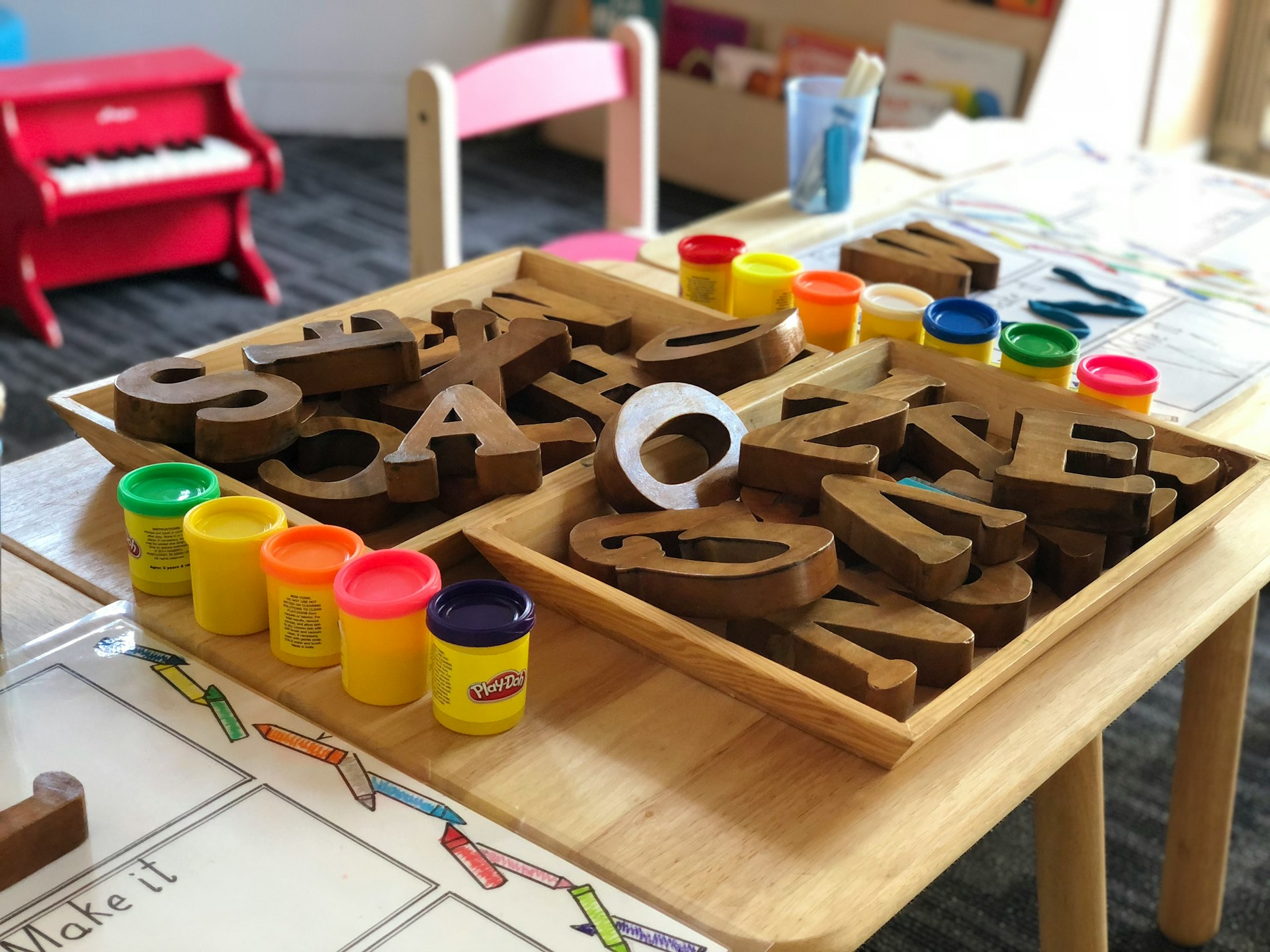
When Wisconsin parents search for quality childcare options, understanding the different types of programs available becomes the first step toward making the best choice for your family. Center-based child care refers to a licensed facility providing care to nine or more children unrelated to the provider for less than 24 hours daily, typically in a non-residential setting.
These programs offer structured environments where children are assigned to specific groups with regularly assigned caregivers in dedicated spaces designed for early learning and development. If you’re considering childcare options in Hudson, Wisconsin, we invite you to schedule a tour at Learning Tree Academy to see how center-based care supports your child’s growth during their most formative years.
What Is Center-Based Child Care?
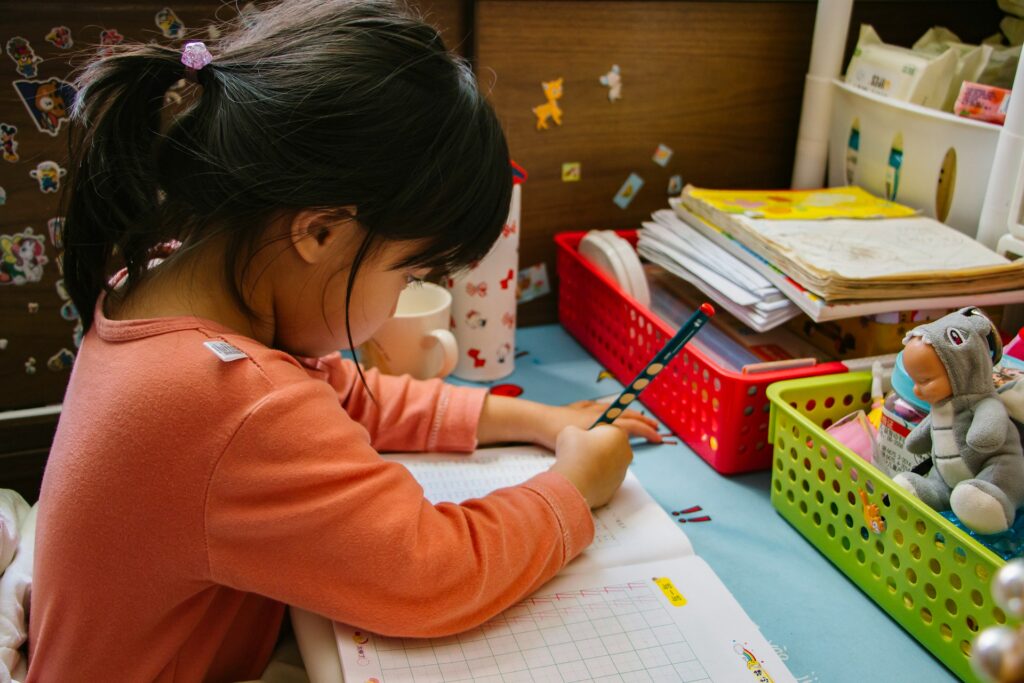
Center-based child care operates in professional facilities specifically designed for early childhood education rather than in a caregiver’s home. These centers employ multiple staff members who work together under the leadership of a center director responsible for operations and program quality. The structured environment includes age-appropriate learning areas, outdoor play spaces, and dedicated rooms for different developmental stages.
Wisconsin requires these facilities to maintain DCF 251 licensing, which establishes safety standards, staff qualifications, and developmental programming requirements. This regulatory oversight gives Wisconsin families confidence that their children receive care meeting state-established benchmarks. The capacity threshold of nine or more children distinguishes center-based care from smaller home-based options, creating opportunities for social interaction, peer learning, and exposure to diverse play experiences that mirror future school environments.
How Center-Based Programs Differ From Other Child Care Options
Wisconsin offers several childcare models, each serving different family needs and preferences.
| Child Care Type | Capacity | Location | Licensing Requirement |
| Family child care | 4-8 children under age 7; unrelated to provider | Provider’s home | Licensed under DCF 250 |
| Group child care center | 9+ children under age 7; unrelated to provider | Non-residential facility | Licensed under DCF 251 |
| Certified child care home | Fewer than 4 children under age 7 | Operator’s residence | Voluntary certification; not required to be licensed |
| Day camps | 4+ children age 3 and older | Seasonal outdoor program | Licensed under DCF 252 for <24 hours |
Family child care operates in a provider’s home with smaller groups of up to eight children under age 7, creating an intimate setting some families prefer. Certified child care homes serve even smaller groups in a home environment, while day camps provide seasonal outdoor programming for preschool-age and older children.
Center-based programs like Learning Tree Academy provide consistent year-round care in professional facilities designed specifically for early learning. Our Hudson location maintains the structured routines, age-specific curriculum, and professional standards that prepare children for successful kindergarten transitions. The larger capacity allows us to offer specialized infant care programs, toddler care, and preschool programs tailored to each developmental stage.
How Center-Based Care Shapes Social Development in Early Childhood
Building Empathy and Emotional Intelligence Through Peer Interaction
The early years shape how children understand relationships, navigate emotions, and interact with their world. Center-based care provides daily opportunities for peer interaction that boost social skill development in ways that isolated home environments simply can’t replicate.
Young children learn empathy through watching and responding to peers’ emotions. When a classmate feels upset, children practice comforting behaviors and develop awareness of others’ feelings. These interactions build emotional intelligence that serves children throughout their lives. Group settings naturally introduce children to different perspectives, communication styles, and problem-solving approaches. This builds flexibility and adaptability.
Learning to Cooperate, Communicate, and Resolve Conflict
Sharing, taking turns, and cooperative play require practice and guidance from trained professionals who understand developmental expectations. Our caregivers at Learning Tree Academy create structured activities that teach these skills step by step. We recognize that a toddler’s sharing abilities differ significantly from a Pre-K student’s collaborative capacities.
Conflict resolution skills develop through guided experiences with peer disagreements. Skilled educators help children navigate these moments, teaching them to express needs verbally, listen to others, and find solutions that work for everyone.
Building School Readiness Through Early Learning
Classroom Skills That Give Children a Head Start
Kindergarten success depends on more than academic preparation. Children need social maturity, self-regulation skills, and familiarity with classroom structures to thrive in formal school settings. Center-based care bridges the gap between home and school, introducing expectations that ease kindergarten transitions.
Following multi-step directions, participating in group activities, and maintaining focus during structured lessons all require practice. Children accustomed to center-based routines arrive at kindergarten already comfortable with classroom expectations like circle time, centers-based learning, and teacher-led activities.
Building Independence and Academic Foundations Early
Independence skills like putting away belongings, cleaning up after activities, and managing personal needs develop through daily practice in supportive environments. We encourage children to take ownership of their spaces and routines, which builds confidence in their capabilities.
Early exposure to pre-literacy and pre-math concepts through play-based learning creates familiarity with academic content before formal instruction begins. Children who recognize letters, understand number concepts, and possess basic problem-solving strategies enter kindergarten with advantages that support continued learning success. We invite you to contact us to learn how our programs support school readiness.
Age-Specific Programs That Match How Children Learn
Effective early childhood curriculum recognizes that three-year-olds learn differently than four-year-olds, who differ from infants and toddlers. Our programs at Learning Tree Academy segment children into age-specific groups where curriculum matches developmental capabilities and interests.
Infant programs focus on sensory exploration, language exposure, and secure attachment formation. Toddler curriculum emphasizes language development, motor skill refinement, and early social interaction through activities incorporating movement, music, and hands-on exploration.
Preschool programs introduce more formal learning concepts through play-based activities. Children explore letters, numbers, shapes, and colors through games, art projects, and interactive experiences. Social expectations increase gradually as children develop longer attention spans and greater self-regulation.
From Infants to Pre-K: How Our Curriculum Grows With Your Child
Our Pre-K program specifically targets kindergarten readiness, incorporating literacy activities, math foundations, and science exploration. Children practice sitting for longer periods, following complex instructions, and participating in structured lessons that mirror elementary school experiences. Explore how our daycare services support comprehensive development across all age groups.
The Value of Structured Routines for Young Children
Young children thrive when they can predict their day’s rhythm and understand what comes next. Consistent routines provide security that allows children to focus on learning and exploration rather than feeling uncertain about their environment.
Morning arrival routines establish clear expectations and create smooth beginnings. Scheduled mealtimes, nap times, and outdoor play create biological rhythms that support healthy development and mood regulation. Activity transitions benefit from structured approaches that give children warning and clear expectations. We use strategies like cleanup songs, visual schedules, and consistent language.
Daily routines that incorporate both active and quiet periods, indoor and outdoor play, and structured and free-choice activities provide balanced experiences supporting comprehensive growth.
Professional Standards and Peace of Mind for Wisconsin Parents
Selecting childcare involves trusting others with your most precious relationships. Wisconsin’s licensing requirements and quality oversight systems ensure center-based programs meet established standards for safety, staff qualifications, and developmental appropriateness.
The Wisconsin Department of Children and Families oversees childcare licensing through comprehensive regulations addressing facility safety, staff-child ratios, health practices, and program quality. Staff training requirements ensure caregivers possess knowledge essential for working with young children, including mandatory training in areas directly impacting child safety and development.
Center directors hold responsibility for overall operations and program quality, providing leadership that shapes daily practices and long-term programming. Wisconsin’s YoungStar quality rating system offers transparency by evaluating programs across multiple quality indicators, while optional accreditation from national organizations provides further verification of program quality.
Licensing Requirements and Staff Qualifications
Understanding what Wisconsin requires of licensed centers helps parents evaluate programs and ask informed questions during facility tours.
| Requirement | Details for Group Centers |
| Licensing Threshold | 4+ children under age 7 triggers licensing; DCF 251 governs centers serving 9+ |
| Staff Training | CPR, abusive head trauma prevention training; early childhood education credits |
| Center Director | Responsible for operations, program quality |
| Quality Indicators | YoungStar ratings (contract required for participation); optional accreditation |
CPR certification ensures staff can respond effectively during medical emergencies. This gives parents confidence that caregivers possess life-saving skills. Abusive head trauma prevention training addresses the critical importance of gentle handling and appropriate responses to infant crying, protecting the most vulnerable children in care.
Early childhood education credits ensure staff understand child development principles, age-appropriate practices, and effective teaching strategies. This foundational knowledge separates professional childcare from simple supervision. It elevates programs to educational experiences that support learning and growth. At Learning Tree Academy, we exceed minimum requirements because we believe Wisconsin families deserve exceptional care.
Why Learning Tree Academy in Hudson Is the Right Choice for Your Family
We’ve designed distinct programs for infants, toddlers, preschoolers, and Pre-K students because we recognize that three-month-olds need different environments than three-year-olds. Our age-specific approach ensures your child receives care matching their current capabilities while supporting growth toward the next developmental stage.
Learning Tree Academy functions as more than a place keeping children safe while parents work. We emphasize early childhood education from the infant room forward, incorporating intentional learning experiences into every activity. This educational foundation prepares children for academic success while nurturing curiosity, creativity, and critical thinking skills.
Our team combines professional qualifications with genuine care for each child’s well-being. We maintain Wisconsin’s licensing requirements while pursuing continuous improvement through ongoing training and professional development.
Schedule Your Tour at Learning Tree Academy Today
The best way to understand how center-based care at Learning Tree Academy supports your family involves experiencing our Hudson facility firsthand. We welcome you to visit our classrooms, meet our staff, and observe how we create engaging learning environments for children from infancy through Pre-K.
During your tour, you’ll see the structured routines, age-appropriate curriculum, and professional standards in action. Our convenient Monday through Friday hours from 6 AM to 6 PM accommodate working families’ schedules while maintaining the consistency children need.
Contact us today to schedule your tour and discover how Learning Tree Academy provides the professional care, educational programming, and nurturing environment your child deserves.
Photo by Jason Sung on Unsplash