Why Early Preparation Makes Daycare Transitions Smoother
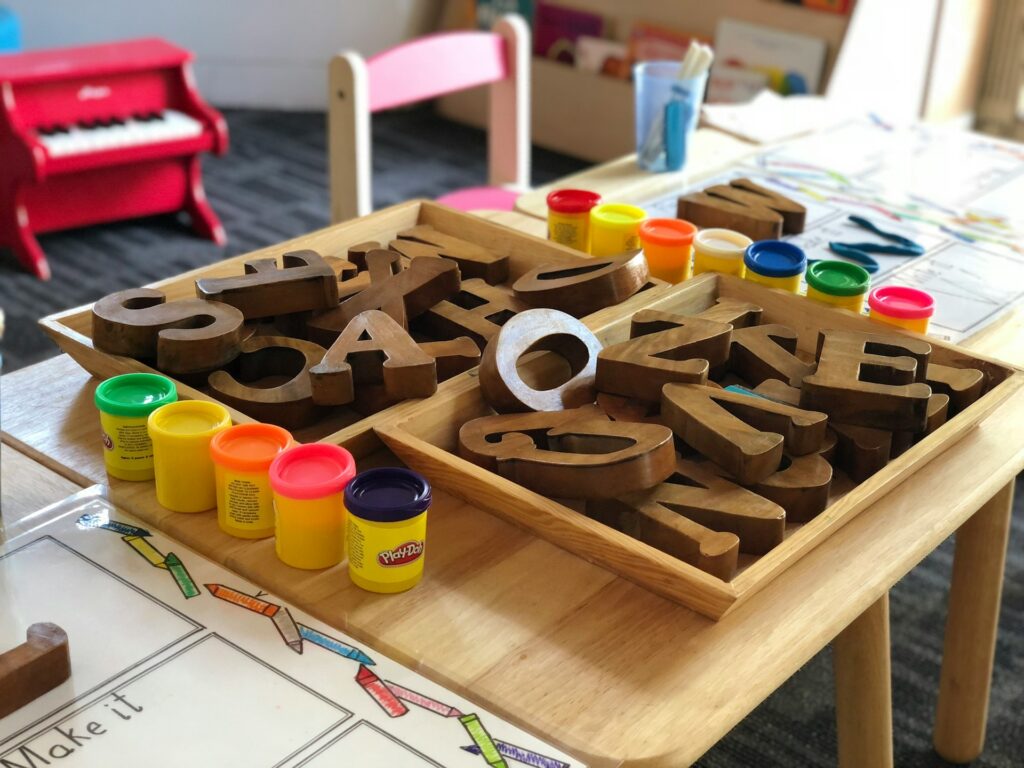
Transitioning to daycare is a process, not a single event. According to research, the vast majority of toddlers experience a negative mood at least once during the first two weeks in daycare. Research also indicates that a four-month adaptation period typically results in a significant increase in a toddler’s “exploratory behavior,” where they gather information about their physical and social world. With the right start and preparation, daycare can be a place where children thrive.
Preparing Infants (6-12 Months) for Day Care
The transition is often harder on the parent than the child at this age. Your primary goal is to establish your child’s sense of safety and trust in their caregivers, or their “felt security.”
Adjust Your Schedule Early
About two weeks out, begin to align your child’s nap and feeding times with the routine they’ll experience in daycare. Also, become familiar with what your child will be doing in daycare. If your provider encourages outdoor play when the weather allows, then have a few fun days out in the fresh St. Croix County air yourself, ensuring your child is used to spending time in a stroller or outdoor play area.
Introduce Separation
At this young age, your child may have only ever been with you, so practice being separated. Begin slowly. Leave them with a trusted friend or family member for 30 minutes or so, then build to an hour apart, and so on. This should help them establish an understanding that separation is temporary, so it isn’t a shock to the system when they start daycare.
The Comfort Object
Even infants this young benefit from a sleep sack or other item that smells like home. If it is suitable to do so according to your provider’s safe-sleep policies, this comfort item could be a great thing for them to take with them to day care.
Gradual Exposure
Many daycare centers in Hudson allow your child to ease into the day care routine. Consider starting with two hours in the center on Monday, gradually increasing their time there, working up to a full day by Friday.
Preparing Toddlers (1-3 Years) for Day Care
Toddlers are in the prime age for separation anxiety, which typically peaks between 12 and 24 months. As they have a stronger sense of place, their transition into day care is best built around a more social approach.
Reading and Role Play
There are lots of books available that can be a great way to talk to your child about the feelings they might have while in daycare. It can also be useful to use toys to act things out.
Focus on Fun
Talk about all the ways the center will be enjoyable for your child. Discuss the specific toys they’ll get to play with, the playground at the center, or the trees and wildlife they might get to see if the center is near outdoor spaces.
Establish Consistent Goodbye Rituals
Create a goodbye ritual, like a secret handshake, special hug, or mantra you share before parting. Brevity is key, though. A long, lingering farewell can potentially have an adverse effect and actually increase your toddler’s distress when you leave.
Preparing Preschoolers (3-5 Years) for Day Care
Preparation at this age is about fostering your child’s independence and social confidence, ready for the step to a “big school” environment.
Encourage Self-Help
When winter hits Wisconsin, you need a jacket. Help your child practice putting on and zipping up their own jackets. The more they’re able to do this sort of thing for themselves, the more confident they may feel in a group setting.
Use a Calendar
Provide a visual calendar for your child that shows them which days they will be in day care and which days will be home days, giving them a sense of control over their week.
Visit Together
Use day care open houses to let your child experience the space and meet their teachers. Your child can see everything through their own eyes, and you can talk accurately about it with them when you get home.
What to Expect During the Adjustment Period
Even with the best preparation, your child’s first month in day care will have its ups and downs. It’s helpful to think about the transition in terms of phases:
- Initial Protest Phase: From days 1-5, your child might display behaviors like tears or clinginess at drop-off, or having “rebound clinginess” at home.
- Observation Phase: From weeks 2-3, they may be quiet or exhausted after day care, as they are processing a lot of new sensory data.
- Integration Phase: From month 2 onwards, you might notice your child mentioning the names of friends at day care or being excited to show you their projects as they become more integrated. Goodbyes at drop-off might also become easier.
You may experience the “second week slump” where the novelty of day care wears off for your child. The toys in the center are no longer exciting and new, and the reality of the routine sets in. It’s important to stay the course; maintaining consistency is the best way to help your child.
Building a Partnership with Your Hudson Day Care Provider
Establish transparent communication with your day care providers from the start. If your child has had a rough night or a challenging morning, let them know at drop-off so they can tailor their approach accordingly. If your child has certain words they use for their possessions or particular napping preferences, make these known so teachers can incorporate these little details to help replicate the comfort of home.
It’s also important to trust teachers. Expert Hudson day care providers know how to handle your child’s transition and have a toolkit of techniques to help them settle.
Schedule a Tour of Learning Tree Academy Today
The most important step in preparing for daycare is arguably choosing the right environment to prepare them for. At Learning Tree Academy, we understand the unique needs of Hudson families. Offering a structured, nurturing space, we help your child grow socially while providing you with the peace of mind to go about your day. Arrange a tour today and meet the educators who will become your partners in these early stages of your child’s education.